
Fleet and telematics
Maintain tracking, routing, and vehicle data visibility across changing coverage areas.
Keep essential IoT services operating through network changes, outages, and regional complexity, without redesigning connectivity for every market or incident.
Designed for critical IoT
Continuity must be planned into service-critical deployments from the start. That means anticipating failure scenarios, defining recovery requirements, and giving operations teams the insight to respond quickly.
The NExT resilience advantage
NExT brings the required connectivity layers into one operating model. Its portfolio helps reduce single-network dependency, improve incident response, and adapt deployed devices as operator, market, and coverage conditions change.
Multi-network connectivity across carriers, regions, and access technologies to reduce dependence on a single operator or roaming path.
SIM and eSIM flexibility for global rollout, remote profile management, localization, and continuity planning across changing market or operator requirements.
Centralized Connectivity Management Platform control for provisioning, monitoring, diagnostics, policy automation, and lifecycle management across the full connected fleet.
Resilient network infrastructure supported by global operations, connectivity expertise, and deployment guidance for critical IoT environments.
Lifecycle support that helps teams adapt connectivity as devices move, scale, localize, or encounter changing network conditions in the field.
Built for critical IoT
The need is greatest where devices cross borders, move between coverage areas, operate remotely, or support essential services. In these environments, a local network issue can quickly become an operational problem. Built for solution use cases such as:
Maintain tracking, routing, and vehicle data visibility across changing coverage areas.
Keep mobile assets connected across regions, borders, ports, and warehouses.
Support devices that depend on consistent connectivity for alerts, video, and event data.
Improve operational visibility for distributed machines, sensors, and remote equipment.
Help meters, monitors, and field assets stay reachable in hard-to-access locations.
Support one deployment model across multiple markets with flexible SIM and eSIM options.
Across these scenarios, the goal is the same: maintain service continuity while simplifying how connectivity is managed at scale.
FAQ
IoT network resilience is the ability to keep connected devices online or recover quickly when coverage gaps, congestion, outages, or regional network changes occur.
Multi-carrier connectivity gives devices access to more than one network, helping reduce dependence on a single operator and supporting continuity when one network underperforms.
eSIM enables remote profile management, localization, and operator changes without physical SIM swaps, making it easier to adapt devices already in the field.
It should address network diversity, remote change management, operational monitoring, recovery processes, and ongoing support.
Fleet, asset tracking, utilities, industrial IoT, security, and global connected-product deployments often need resilient connectivity because downtime can disrupt operations or service delivery.
Next Step
Talk to our IoT connectivity experts about how NExT can help you design resilient, multi-network connectivity for your deployment.
Related content
 Product
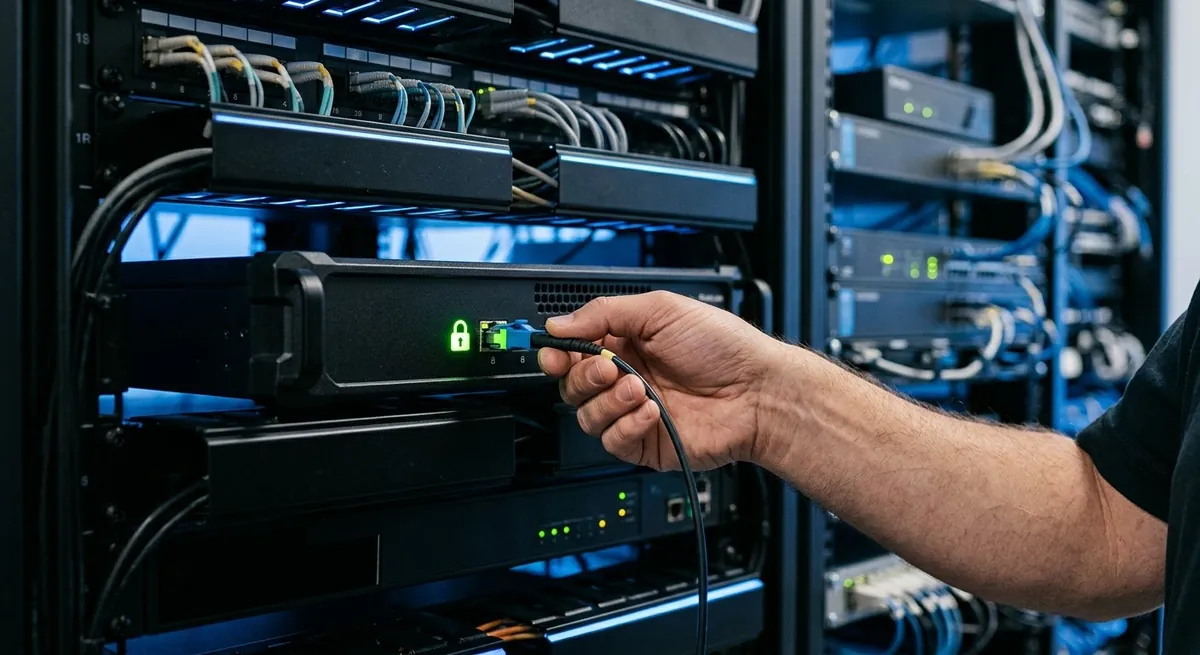
Support controlled device-to-cloud communications with private networking, secure cloud integration, and centralized visibility.
Explore Network & Security Platform
Activate, monitor, troubleshoot, and manage SIMs & eSIMs from one platform.
Explore the platform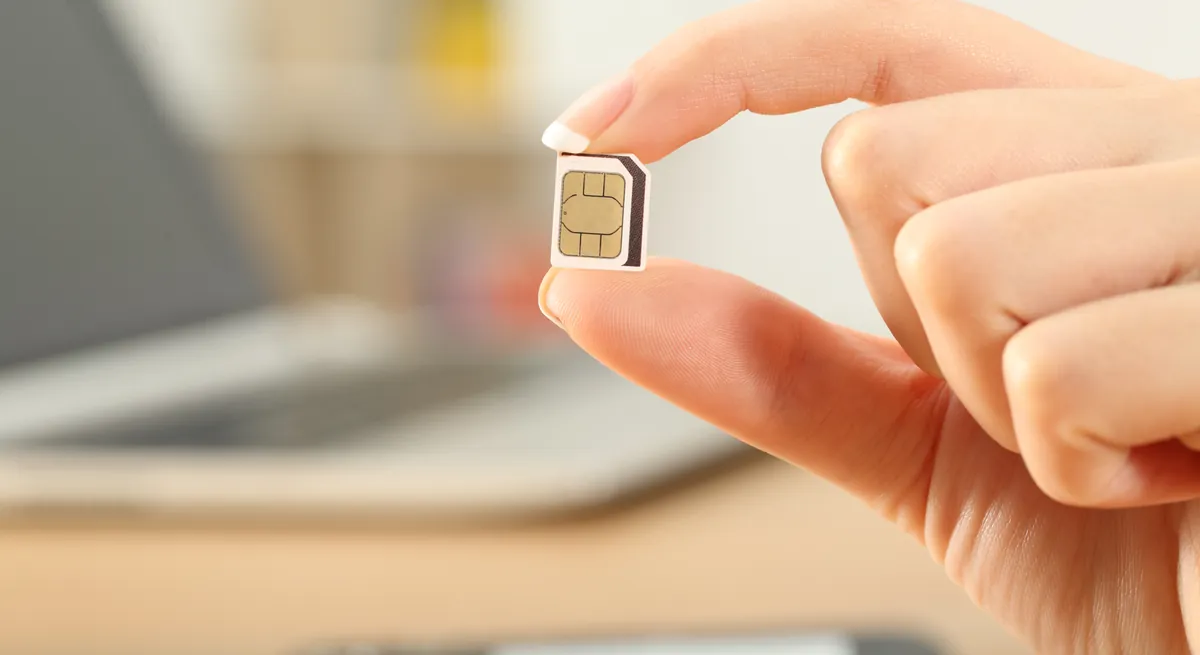 Product
One SIM for global, business-critical IoT connectivity.
Explore Global IoT SIM