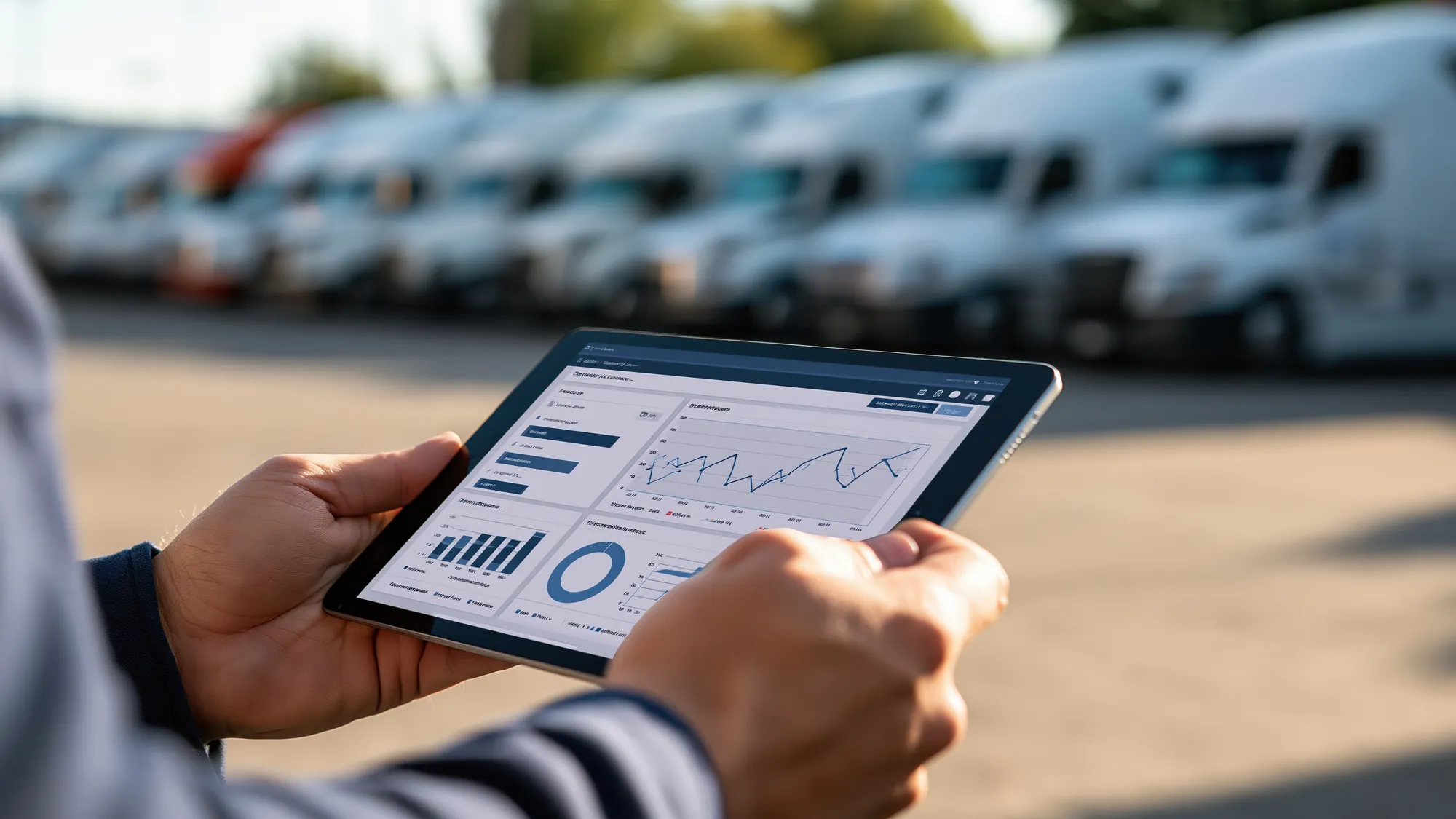
One connectivity foundation
Use SIM and eSIM options to support new launches, regional expansion, and evolving deployment models without adding unnecessary operational complexity.
Connect fleet and mobile assets, dash cams, cargo operations, sensor-based equipment, and critical monitoring applications, built to keep operations visible, responsive, and under control wherever they move.
What to expect from your connectivity solution
Tracking and logistics connectivity should do more than connect devices. It should help teams monitor location, status, and usage across assets, shipments, equipment, and people-monitoring solutions while giving critical applications such as offender tracking the resilience and control they require.
Technical and product requirements
Tracking and logistics deployments need more than basic coverage. Devices may operate across routes, facilities, borders, and remote locations, with different data profiles and long lifecycles. Critical tracking applications, especially offender monitoring, require resilient, secure, manageable connectivity that supports continuity and accountability at scale.

NExT for tracking & logistics deployments
NExT brings together IoT connectivity, SIM and eSIM options, centralized management, automation, diagnostics, security, and deployment support so tracking and logistics solution providers can simplify rollout, improve visibility, reduce manual effort, and scale connected operations with confidence.
Use SIM and eSIM options to support new launches, regional expansion, and evolving deployment models without adding unnecessary operational complexity.
Keep connected services available as operations move across networks, countries, and coverage environments.
Monitor connectivity status, usage, lifecycle events, alerts, diagnostics, troubleshooting, and reporting from one management environment.
Match connectivity models to usage patterns, performance needs, and cost goals as fleet programs grow.
Reduce manual work and help teams identify, triage, and resolve connectivity issues before they affect operations.
Support secure data exchange and guide teams from testing through production, scaling, and ongoing optimization.
Proven in production
See how tracking and logistics organizations use NExT connectivity to support deployed applications, from cargo and equipment visibility to offender monitoring, field operations, and data-driven performance in the field.
Video telematics is central to improving safety and performance across modern fleets, but it requires reliable, high-throughput connectivity to deliver value. With Telit Cinterion, we can stream video in real time, monitor driver fatigue and behavior, and operate with the confidence that our connectivity will scale and perform wherever our customers need it.

FAQ
It connects tracking devices, assets, cargo, equipment, and monitoring platforms so teams can see location, status, and operational data.
Offender tracking requires resilient, secure, continuously managed IoT connectivity with coverage redundancy, diagnostics, and strong operational control.
It helps trailers, containers, cargo, equipment, and mobile assets send location, status, and sensor data to tracking platforms.
Yes. Global IoT SIM and eSIM solutions can reduce local SIM complexity and support fleet deployments across multiple countries and networks.
It gives teams one platform to monitor SIM status, usage, lifecycle, alerts, diagnostics, and troubleshooting across large fleets.
Yes. Video telematics usually needs higher data allowances and more resilient connectivity than basic GPS trackers or low-data sensors.
Next step
Test coverage, visibility, security, and connectivity performance across tracking devices, logistics assets, transportation operations, and critical monitoring applications before you scale.
Related content
 Product
Remote profile management and localization for single-SKU global device designs.
Explore eSIM Flex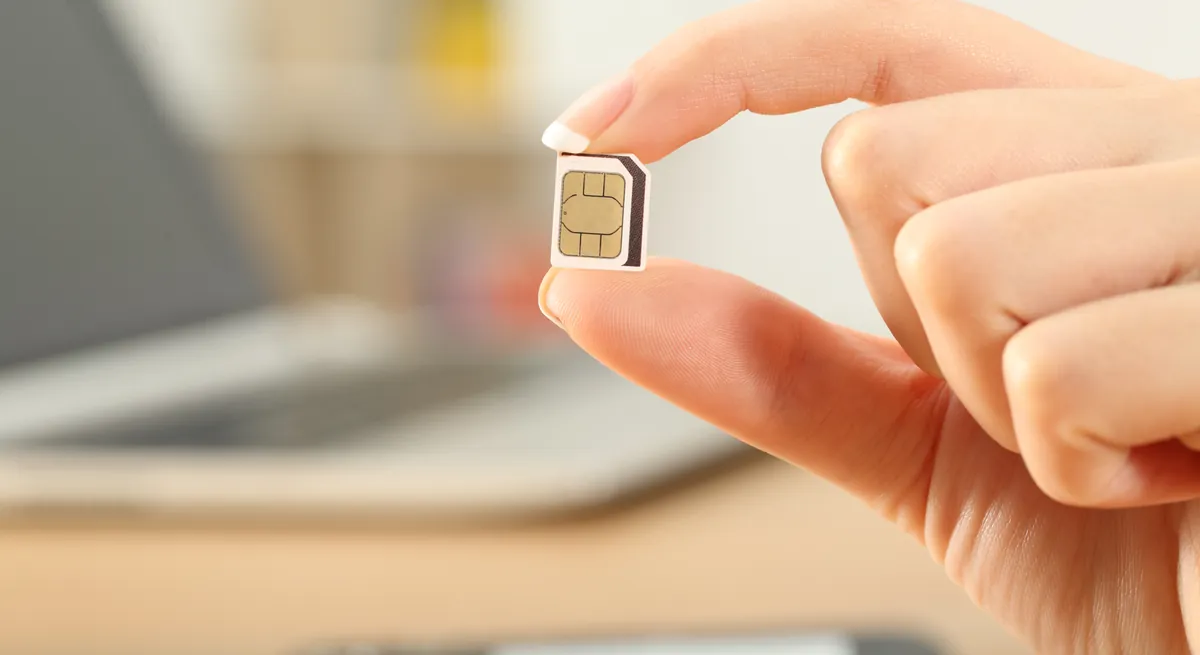 Product
One SIM, 600+ mobile carriers, 200+ countries, managed from a single platform.
Explore Global IoT SIM Platform
Monitor status, usage, lifecycle events, alerts, and diagnostics in one place.
Explore the platform