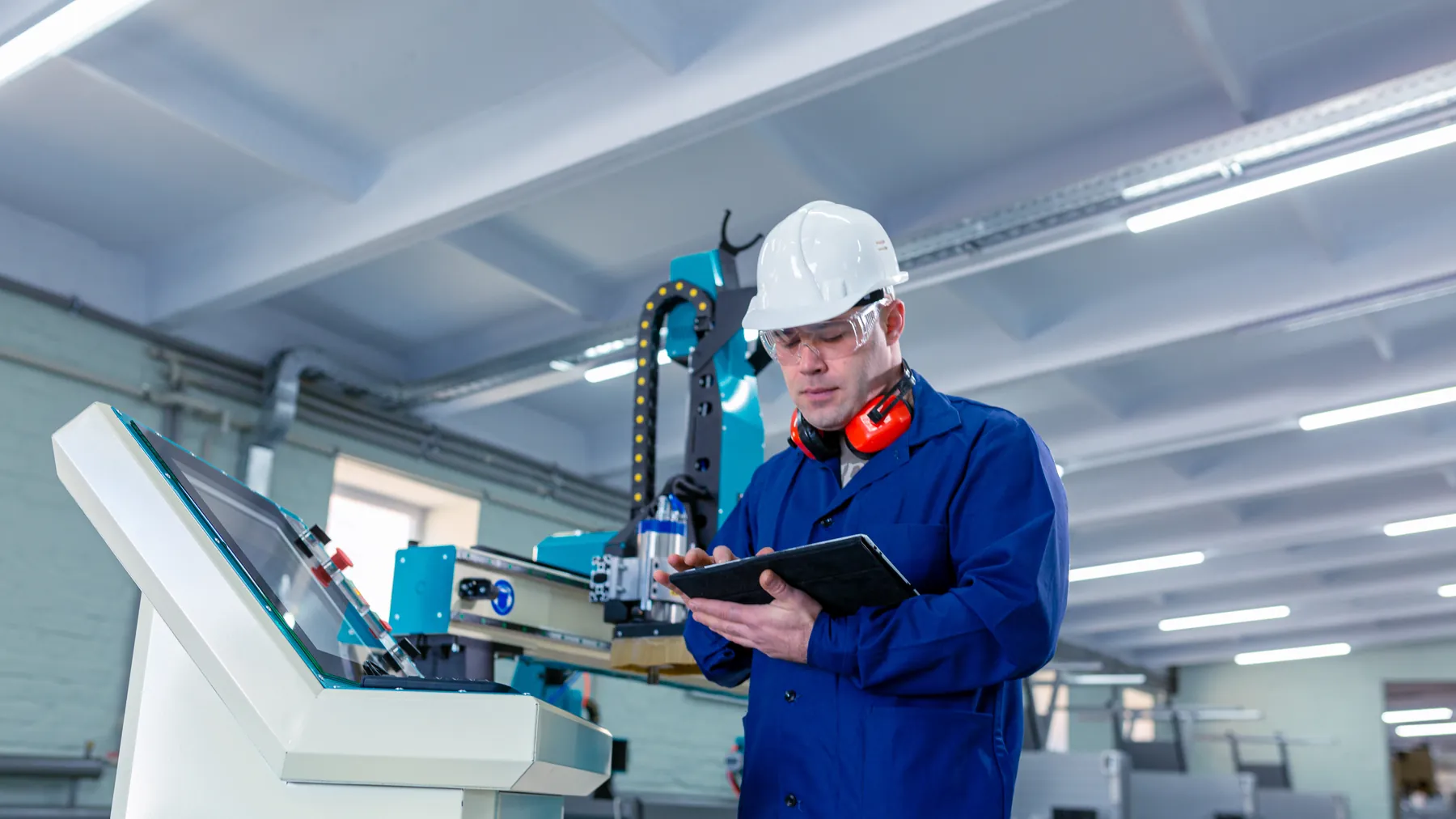
Simplify rollout across asset types
Use one connectivity approach for construction equipment, industrial machinery, gateways, and sensors across regions and deployment models.
Connect construction equipment, industrial machinery, gateways, and sensors with secure cellular IoT built for resilient coverage, real-time visibility, and lifecycle control across distributed operations.
What to expect from your connectivity solution
Your connectivity solution should make distributed industrial assets easier to deploy, monitor, and maintain. Whether the asset is construction equipment, a remote machine, a gateway, or a low-power sensor, teams should be able to keep it connected, visible, secure, and manageable across its full lifecycle.
Industrial IoT connectivity requirements
Industrial IoT deployments need a cellular architecture that can support different data profiles, power constraints, mobility patterns, coverage conditions, and security policies. The requirements below define what the connectivity layer must provide before value-added services or platform capabilities are added.

NExT for industrial IoT deployments
NExT brings the required connectivity capabilities together in one managed solution for industrial deployments. By combining global SIM and eSIM services, secure network options, centralized management, NExT helps teams deploy faster, operate with fewer manual processes, and keep distributed assets connected over long service lives.
Use one connectivity approach for construction equipment, industrial machinery, gateways, and sensors across regions and deployment models.
Centrally manage provisioning, monitoring, policy updates, usage controls, and troubleshooting instead of relying on field visits or carrier-by-carrier processes.
Secure routing options help protect industrial data in motion and support enterprise connectivity policies.
Use remote provisioning, lifecycle management, automation, diagnostics, and resilient multi-network connectivity to reduce site visits, respond faster to issues, and maintain service across sites, assets, and regions.
Diagnostics, alerts, reporting, and API integration help teams identify connectivity issues earlier and respond before they affect service.
Industrial IoT proven in production
Built for industrial use cases where connectivity must support visibility, control, and continuity across distributed operations. NExT is designed for teams that need to connect equipment, machinery, gateways, and sensors reliably before problems reach the customer, the field technician, or the service workflow.
FAQ
It is cellular connectivity that links equipment, machinery, gateways, and sensors so teams can monitor performance, collect data, troubleshoot issues, and manage distributed industrial assets remotely.
Cellular helps connect assets where fixed networks are unavailable, difficult to extend, or unreliable across job sites, remote infrastructure, yards, and customer locations.
Yes. NExT supports LTE-M and NB-IoT for low-power industrial sensors, meters, and monitoring devices operating in remote or hard-to-reach locations.
NExT supports private APN, VPN, and secure cloud routing options to help protect device data and support OT connectivity requirements.
Yes. NExT enables remote connectivity management, provisioning, monitoring, and automation to reduce on-site service work and simplify industrial operations.
NExT combines global SIM and eSIM connectivity, secure routing, CMP capabilities, diagnostics, APIs, and Telit Cinterion module-to-cloud expertise for industrial assets that must stay connected across long lifecycles.
Next step
Test coverage, security, and operational performance with a free SIM kit or speak with our team to review your deployment model, network requirements, and roadmap.
Related content
 Product
One SIM, 600+ mobile carriers, 200+ countries, managed from a single platform.
Explore Global IoT SIM Product
Remote provisioning and profile management across long industrial lifecycles.
Explore eSIM Flex Platform
Provisioning, monitoring, policy updates, usage controls, and troubleshooting in one place.
Explore the platform