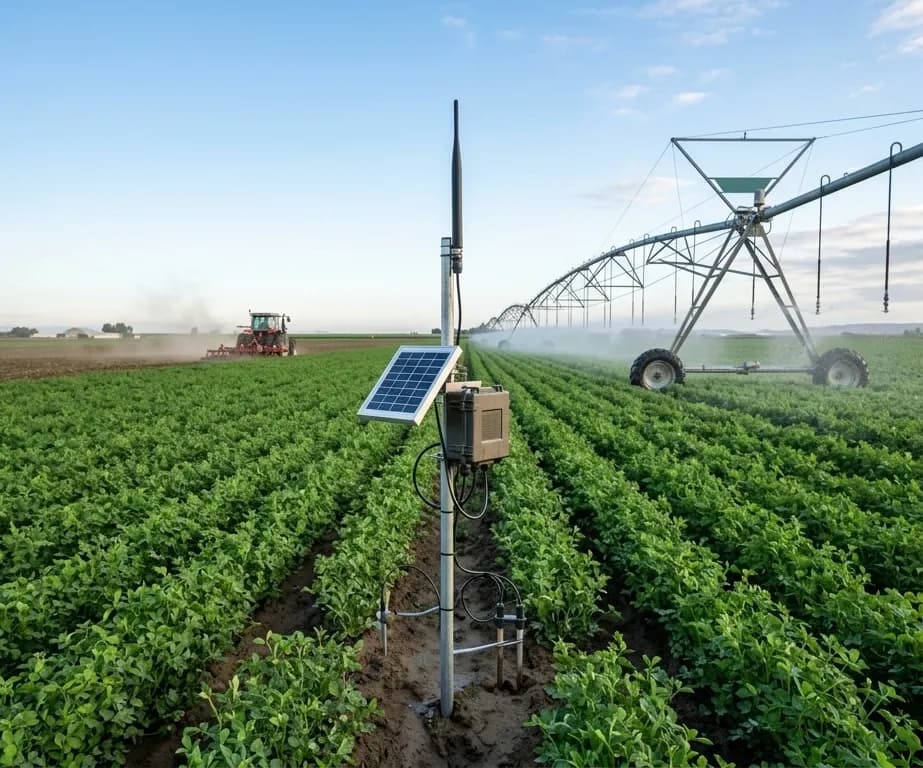
Monitor fields in real time
Connect soil, moisture, weather, crop, and environmental sensors to support better decisions on irrigation, planting, spraying, and harvesting.
Connect agriculture operations with reliable remote coverage, satellite extension beyond cellular, and unified management of both services through one platform and one supplier.
What to expect from your connectivity solution
A smart agriculture connectivity solution should support field data collection, device monitoring, alerts, automation, and operational visibility across large, remote, and changing environments, helping teams manage farming operations with greater confidence and less manual intervention.
Connect soil, moisture, weather, crop, and environmental sensors to support better decisions on irrigation, planting, spraying, and harvesting.
Keep pumps, valves, controllers, and irrigation systems connected for remote monitoring, alerts, and automation.
Connect livestock tags, trackers, trailers, tools, and equipment moving across farms, grazing areas, and rural routes.
Support tractors, harvesters, gateways, telematics systems, and OEM equipment with resilient cellular connectivity.
Use cellular-first connectivity with satellite support to help maintain visibility and service continuity in remote fields, underserved areas, and locations where terrestrial networks are limited.
Monitor connectivity status, usage, diagnostics, alerts, and lifecycle events across farms, regions, OEM programs, and agricultural customers.
Agriculture connectivity requirements
Smart agriculture deployments require coverage reach, technology flexibility, centralized visibility, lifecycle durability, and security that can support remote fields, moving assets, and seasonal operations.
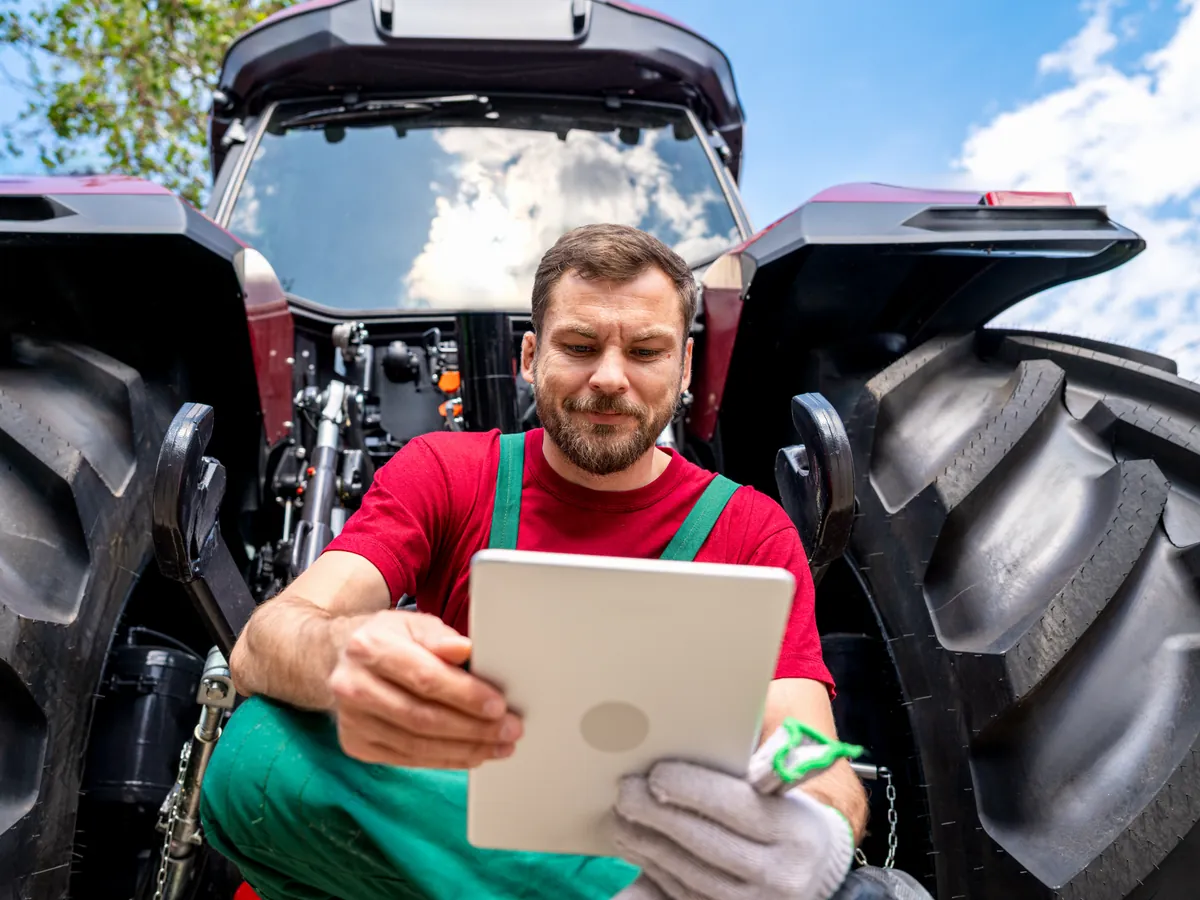
NExT for Smart Agriculture
NExT combines global IoT SIM and eSIM options, LPWA and cellular access, satellite-enabled extension, centralized management, diagnostics, automation, security, and deployment support to help farms, agritech providers, equipment OEMs, and solution providers simplify rollout, improve field visibility, and scale connected agriculture operations with confidence.
Proven in production
NExT helps agriculture solution providers and equipment OEMs connect field devices, machinery, and remote assets with scalable coverage options. From battery-powered sensors in remote fields to connected machinery across regions, NExT technologies help improve visibility, automate operations, and support more resilient farming.
IOTBOX is the electronic control unit that connects agricultural machines to the cloud. Final customers can be part of the agricultural digitalization process and take advantage of Ynnova’s precision farming solutions.

FAQ
IoT connectivity for smart agriculture connects field sensors, irrigation systems, livestock trackers, machinery, gateways, and farm platforms so teams can monitor crop conditions, water use, equipment status, livestock location, and remote operations.
Cellular IoT helps agricultural devices stay connected across wide outdoor environments without relying only on local networks or fixed infrastructure. It supports use cases such as smart irrigation, soil sensing, livestock tracking, connected machinery, and remote farm monitoring.
Smart agriculture deployments often use LTE Cat 1bis or LTE-M for sensors and trackers, cellular connectivity for gateways and equipment, and satellite fallback where terrestrial cellular coverage is limited.
NExT supports battery-powered agriculture devices with low-power connectivity options and broad LTE-M and NB-IoT coverage, helping sensors, trackers, and field equipment operate over long lifecycles where maintenance is difficult.
Agritech companies should look for rural coverage, LTE Cat 1bis and Cat-M support, SIM and eSIM flexibility, centralized management, diagnostics, security options, deployment support, and the ability to scale across farms, regions, and customers.
Yes. NExT can help teams manage cellular and satellite connectivity through one platform and one supplier relationship, reducing complexity while extending coverage in remote locations.
Private networking can help protect data moving between field devices, equipment, and business systems by keeping traffic more controlled and separated from public internet exposure.
Validate your deployment
Validate coverage, device performance, and operational visibility in real-world field environments.
Related content
 Product
One SIM and one SKU for deployments that cross regions, operators, and borders.
Explore Global IoT SIM Product
Embedded connectivity for equipment that ships once and stays in the field for years.
Explore eSIM Flex Platform
Coverage, usage, lifecycle events, alerts, and troubleshooting in one console.
Explore the platform