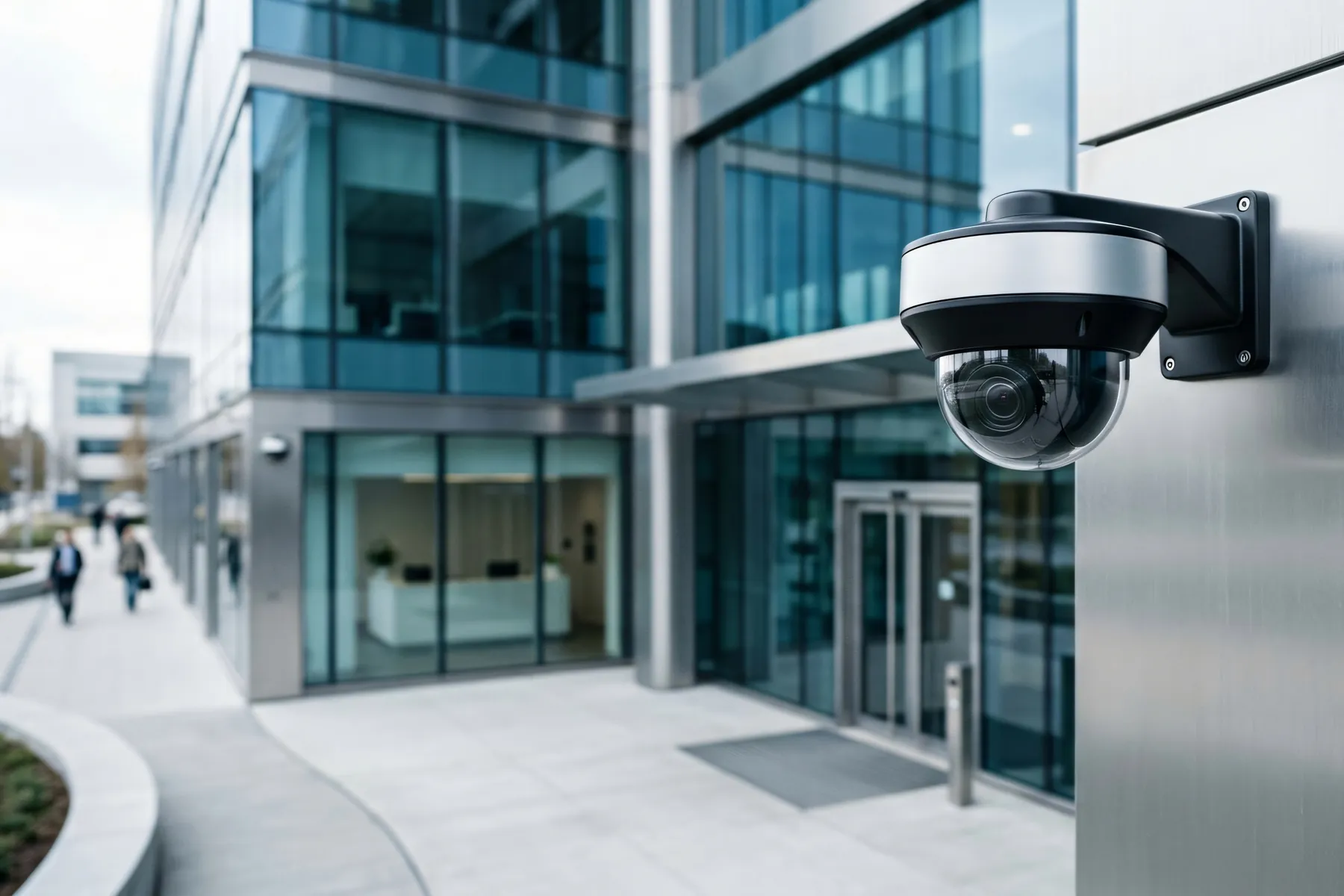
Connectivity for secure, smarter buildings.
Secure alarms, access control, video surveillance, HVAC, lighting, and automation with resilient cellular IoT connectivity, centralized management, and reliable backup for building systems that cannot go offline.
What to expect from your connectivity solution
Keep critical building systems visible, secure, and online
A smart building connectivity solution should keep critical systems online, protect operational traffic, and give teams the visibility to manage every site from one place.
- Always-on connectivity. Keep critical building applications and security systems connected with resilient cellular IoT designed for continuity.
- Secure operational traffic. Use private APN, VPN, policy controls, and SIM lifecycle management to help protect building and security data flows.
- Easy to deploy, simple to scale. Connect distributed building systems quickly without depending on existing site infrastructure
- Centralized management. Activate, monitor, troubleshoot, and automate connectivity across distributed properties, devices, and service providers.
Smart building and security connectivity requirements
Different systems. Different data needs. One connectivity standard.
Smart building environments combine low-data alarms and sensors, high-bandwidth video, backup connectivity, and automation traffic. The connectivity layer must support these requirements without creating separate tools, contracts, or operational models for every use case.
- Reliable primary, secondary, or backup cellular connectivity for critical systems
- Support for broadband, LPWA, and multi-technology IoT deployments
- Secure traffic separation with private APN, VPN, and usage policy controls
- Real-time visibility into SIM and eSIM status, usage, alerts, diagnostics, and lifecycle actions
- Scalable provisioning and automation for multi-site rollouts
- Coverage options for local, regional, and global deployments
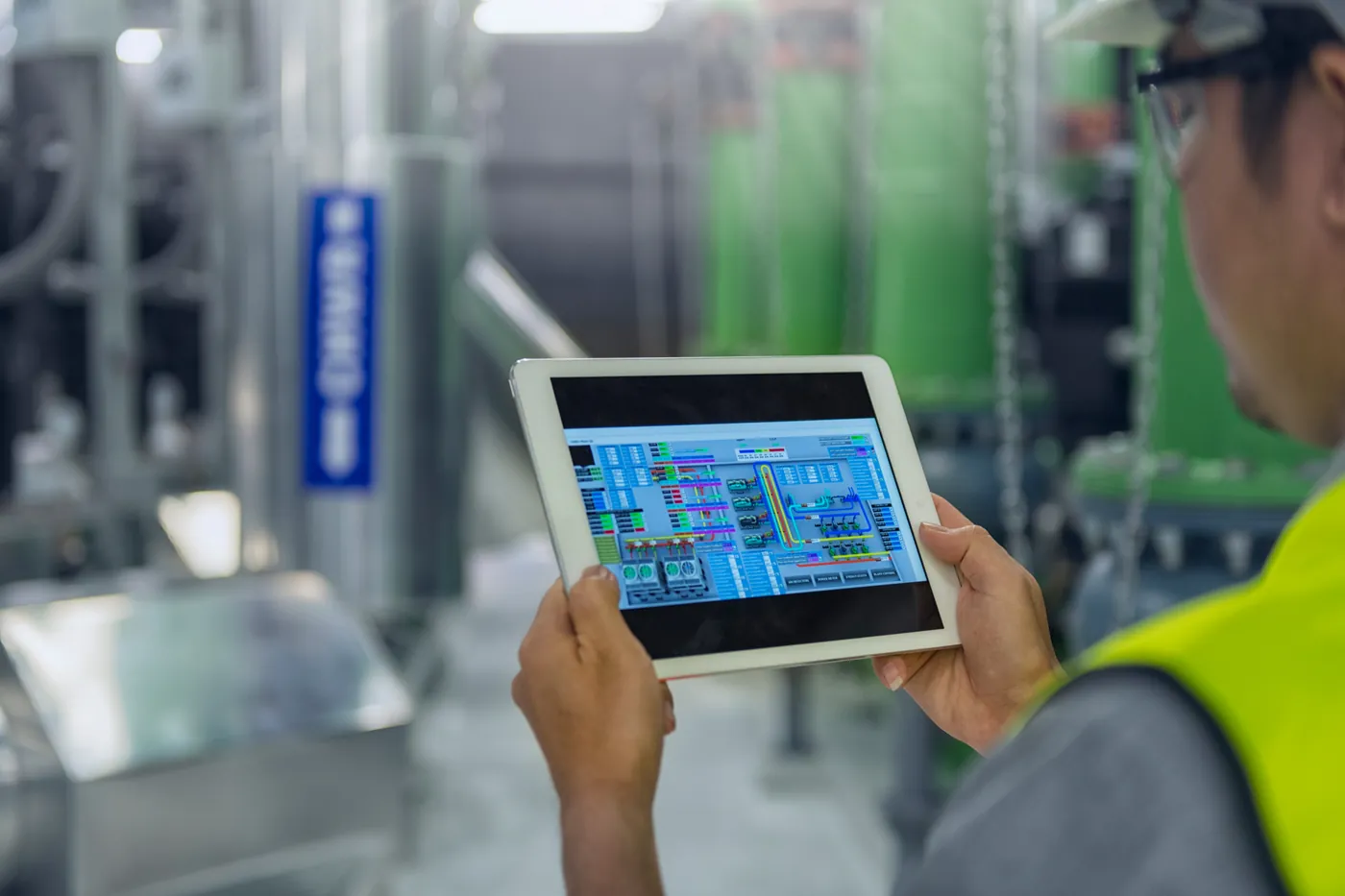
NExT for smart buildings & security
Connect, secure, and manage critical building systems at scale.
NExT gives smart building and security teams one way to connect alarms, cameras, access control, HVAC, lighting, automation, and monitoring systems across sites, service models, and deployment stages, with secure cellular IoT connectivity, centralized management, automation, and lifecycle support built in.
- Keep critical systems connected with cellular IoT connectivity that can serve as primary, secondary, or backup connectivity for alarms, video, access control, automation, and remote monitoring.
- Manage distributed deployments from one place with centralized activation, monitoring, alerts, diagnostics, usage visibility, reporting, and SIM/eSIM lifecycle management.
- Protect critical building traffic with secure networking options including private APN, VPN, controlled routing, SIM lifecycle management, and policy-based controls.
- Accelerate scalable rollouts with automation and bulk provisioning across buildings, campuses, branches, and managed estates, including sites where existing infrastructure is delayed, unavailable, or impractical.
- Improve uptime, throughput, and operational visibility for systems tied to safety, access, video, monitoring, automation, and business continuity across distributed buildings, devices, usage, and connectivity events.
- Expand across regions and use cases with coverage options and connectivity models that support local, regional, and global deployments.
Proven in production
Deployment-ready connectivity for critical security and building systems.
Proven deployments show how resilient cellular connectivity helps security providers maintain service continuity, simplify remote operations, and scale connected alarm systems with confidence.
Our partnership with Telit has brought us a crucial competitive advantage during turbulent times on the security market.
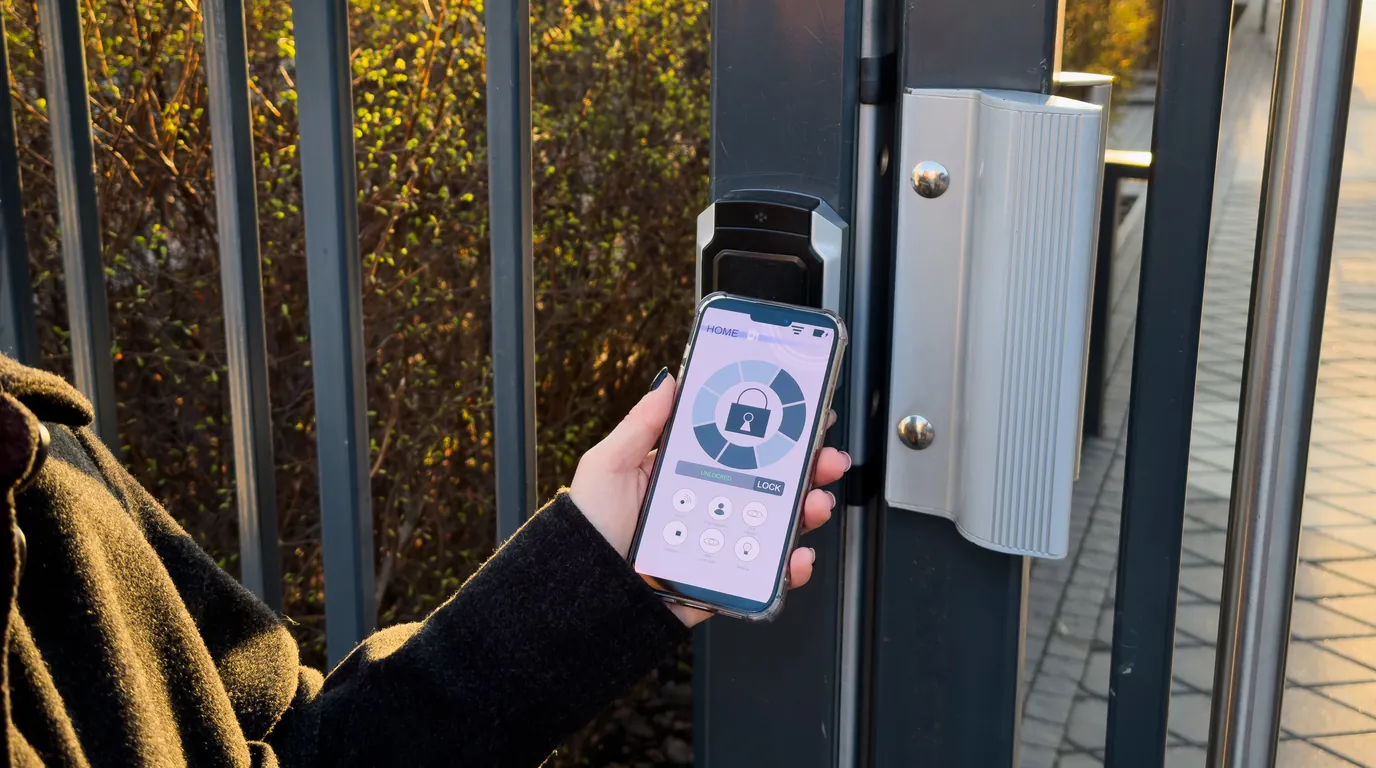
FAQ
Smart Buildings & Security FAQ
What types of smart building systems can use cellular IoT connectivity?
Alarms, access control, cameras, HVAC, lighting, meters, sensors, elevators, and monitoring systems can all use cellular IoT depending on bandwidth, latency, and site requirements.
When should cellular be used instead of fixed-line connectivity?
Cellular is useful when fixed lines are unavailable, slow to install, costly to extend, or needed as a resilient backup path for critical security and building systems.
How does NExT help protect smart building traffic?
NExT supports secure networking options such as private APN, VPN, policy controls, and SIM lifecycle management to help separate and govern operational traffic.
Can NExT support both high-bandwidth and low-power use cases?
Yes. NExT supports mixed connectivity needs, including broadband for video and LPWA or low-data options for alarms, sensors, meters, and monitoring devices.
Can NExT be used for backup connectivity?
Yes. NExT can support primary, secondary, or backup cellular connectivity for alarms, cameras, access control, and other systems that need continuity.
Who typically deploys NExT in smart building and security environments?
Building owners, OEMs, system integrators, managed service providers, and security solution providers use NExT to connect and manage distributed systems at scale.
Next step
Ready to connect smart building and security systems?
Test NExT for alarms, surveillance, access control, automation, monitoring, energy management, and remote facilities, from first test to multi-site rollout.
Related content
More from NExT
 Product
eSIM Flex
Embedded connectivity for devices that ship once and stay in the field for years.
Explore eSIM Flex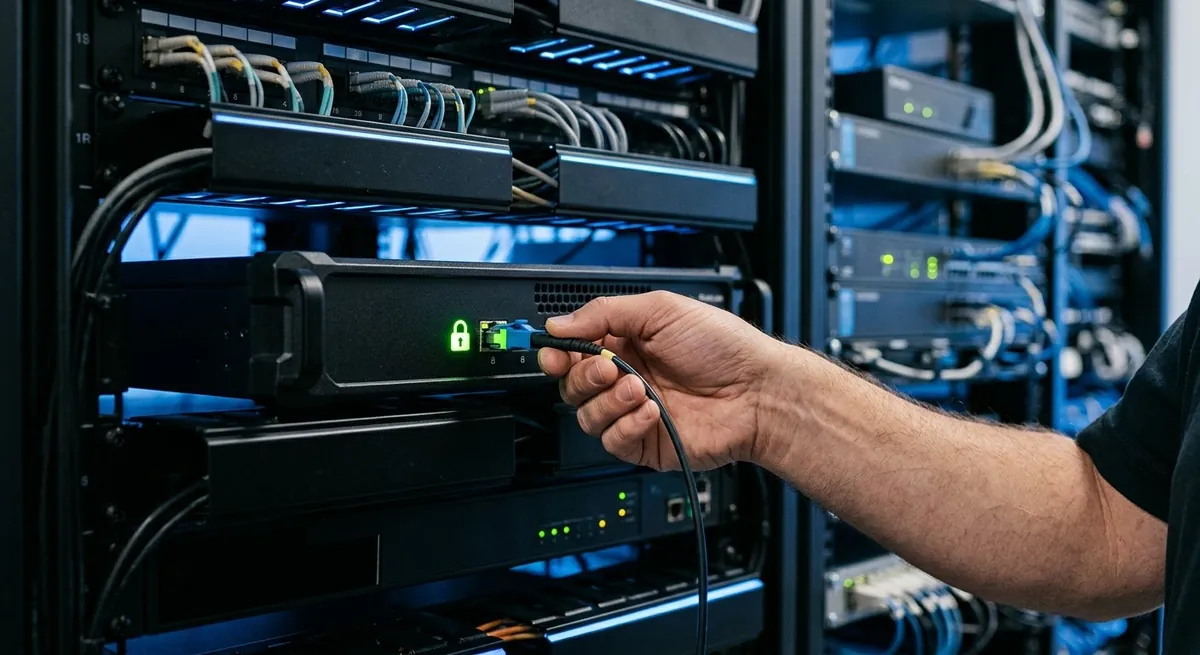 Product
Network & Security
Support controlled device-to-cloud communications with private networking, secure cloud integration, and centralized visibility.
Explore Network & Security Platform
Connectivity Management Platform
Coverage, usage, lifecycle events, alerts, and troubleshooting in one console.
Explore the platform