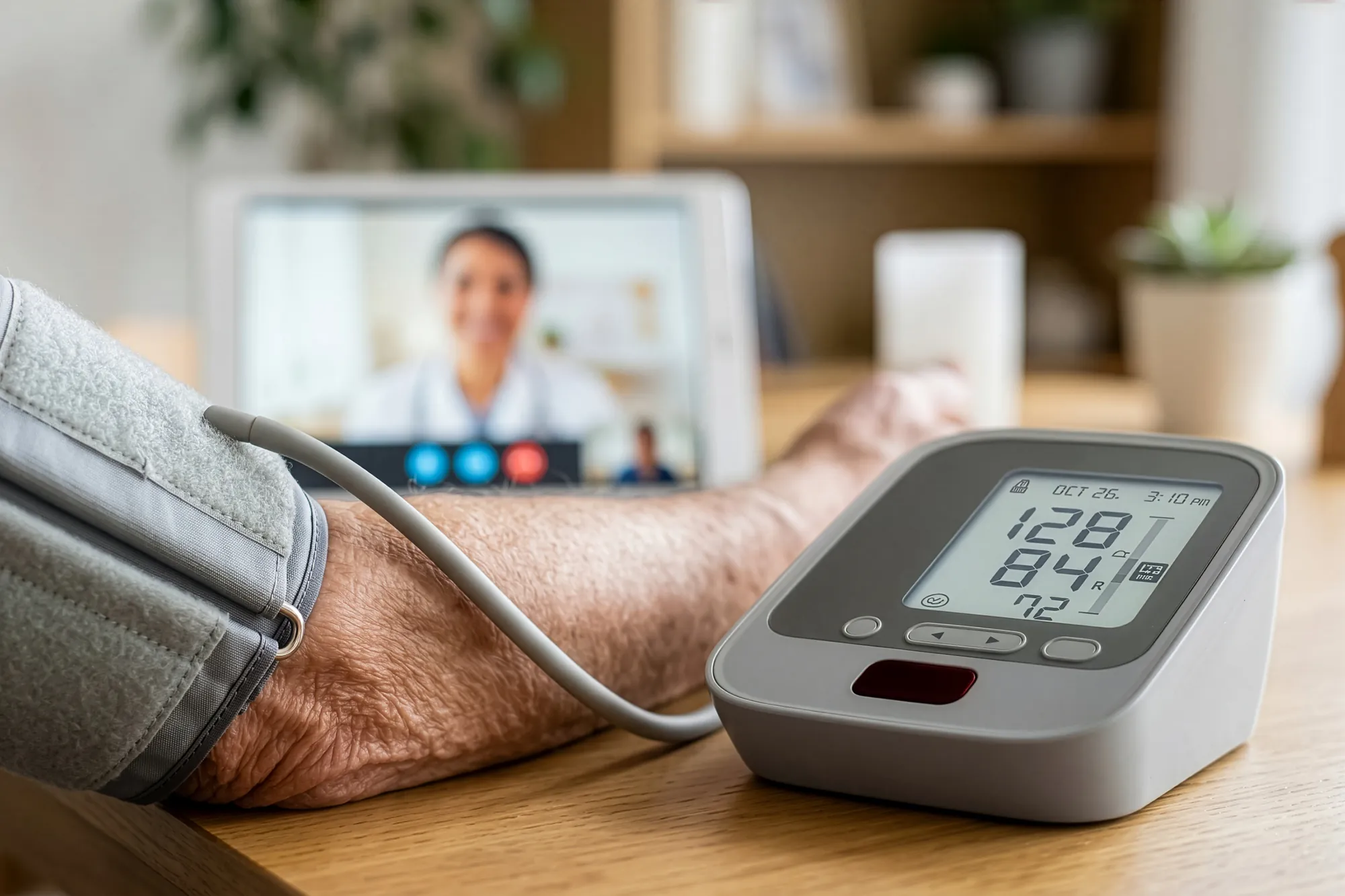
One connectivity foundation
Use SIM and eSIM solutions to support telehealth applications without adding unnecessary operational complexity.
Keep remote patient monitoring, virtual care and connected medical devices online with secure, resilient IoT connectivity built for healthcare environments where every signal matters.
What to expect from your connectivity solution
Telehealth connectivity should give healthcare teams and device makers more than network access. It should provide dependable service continuity, data privacy protection, operational support, and deployment flexibility to help deliver connected care securely across homes, clinics, mobile settings, and regions.
Telehealth connectivity requirements
Telehealth devices operate across homes, clinics, mobile care settings, and long deployment lifecycles. Connectivity must support specific technical capabilities: secure data routing, multi-network coverage, SIM and eSIM flexibility and integration with healthcare operations.
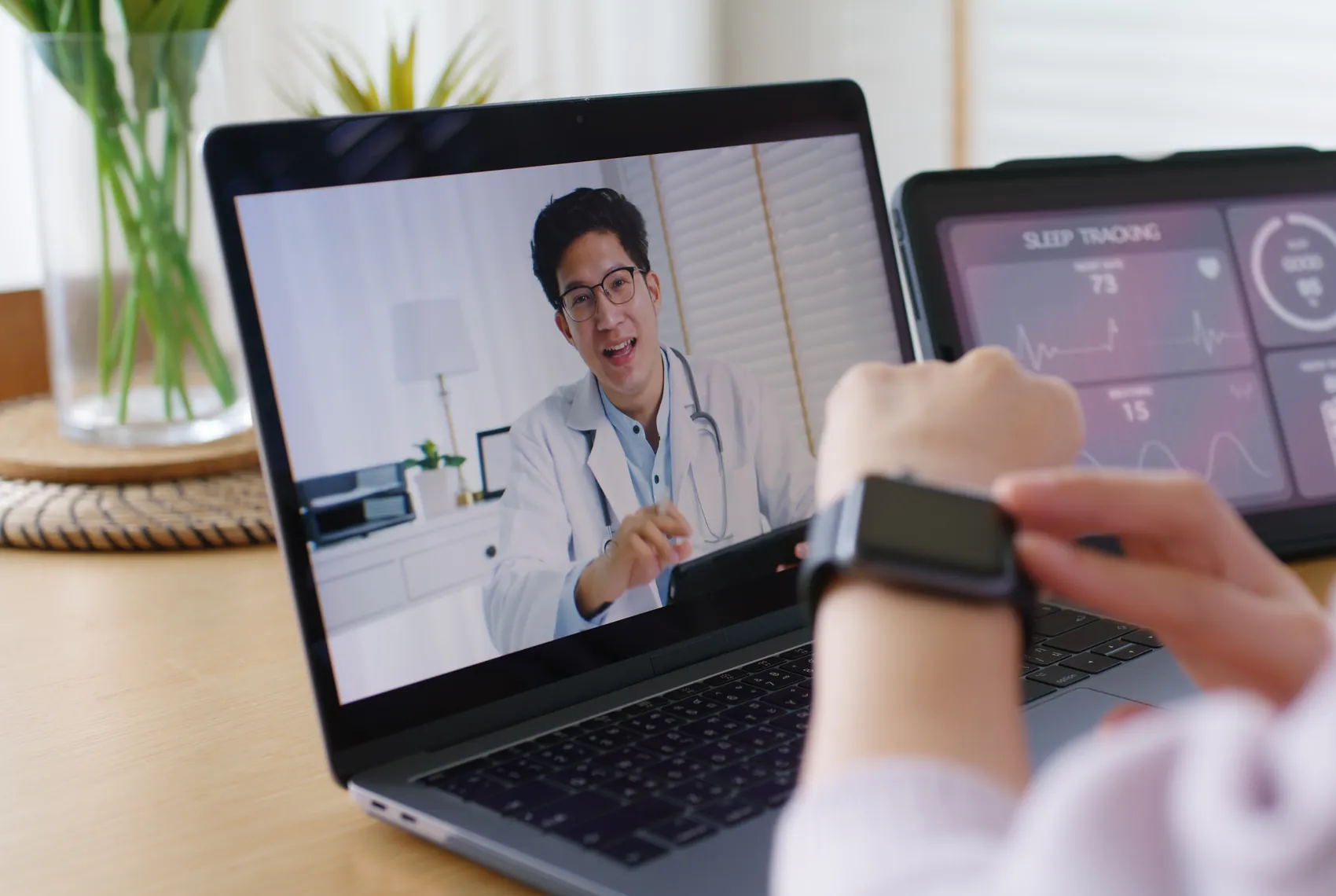
NExT for telehealth deployments
NExT helps telehealth providers and MedTech OEMs move beyond fragmented connectivity by bringing global IoT access, eSIM orchestration, NExT CMP, secure routing, automation, and deployment expertise into one managed service layer for connected care.
Use SIM and eSIM solutions to support telehealth applications without adding unnecessary operational complexity.
Keep connected healthcare services available across patient homes, care teams, mobile settings, assisted living, and regional deployments.
Manage SIM and eSIM status, usage, alerts, diagnostics, lifecycle events, and troubleshooting from one connectivity management platform.
Support protected data exchange with secure network routing options and controlled connectivity policies.
Reduce manual work and help teams identify, triage, and resolve connectivity issues before they affect service quality.
Guide teams from testing through production, regional expansion, eSIM profile changes, and ongoing optimization across long medical device lifecycles.
Proven in production
See how healthcare innovators use NExT connectivity to support deployed telehealth applications, from remote patient monitoring and virtual wards to mobile care kits, medication adherence, assisted living, and decentralized clinical research.
When developing health technology, credibility and competence are crucial. Telit Cinterion comes across as a trustworthy and safe choice. It’s also practical to have the company as a partner. It’s a one-stop shop with dedicated and service-minded staff.
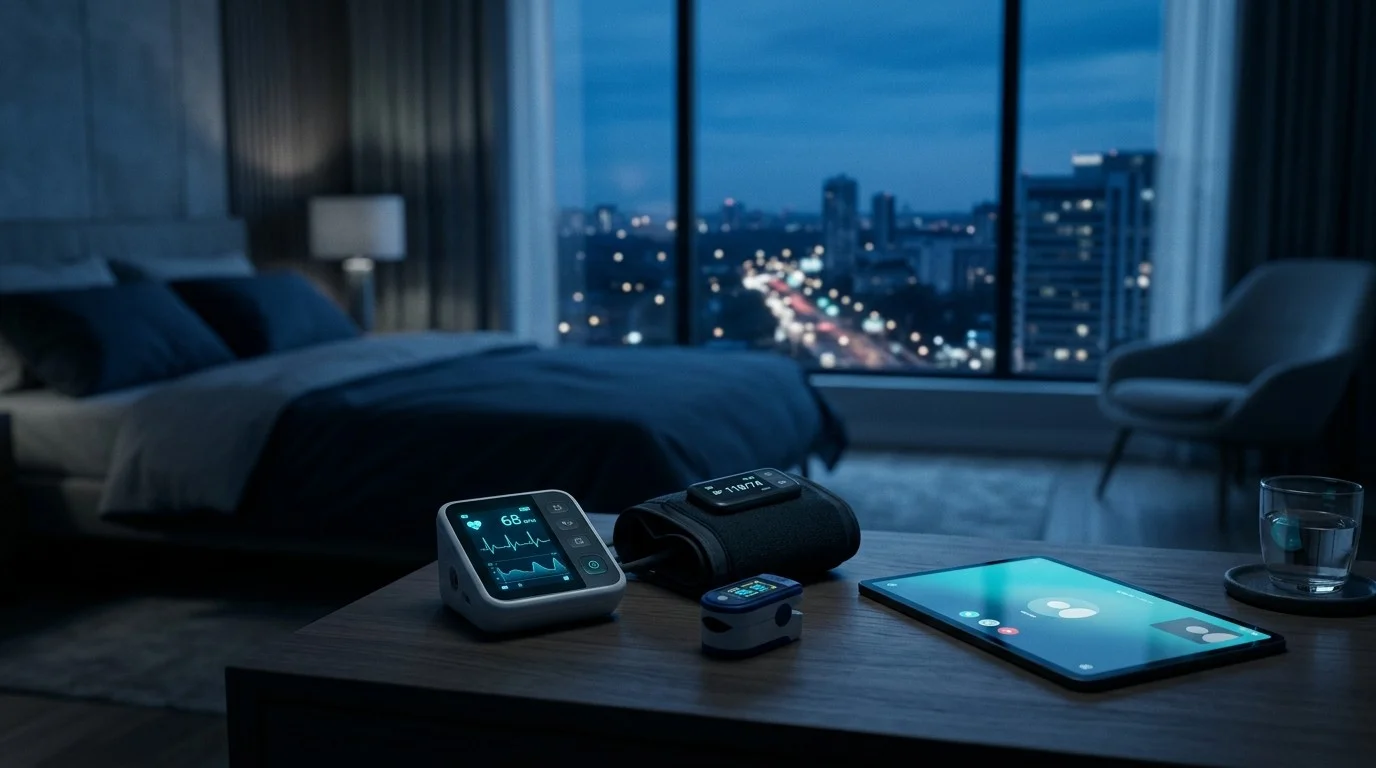
FAQ
It connects remote care devices, sensors, gateways, and healthcare platforms using secure managed cellular IoT connectivity.
Cellular reduces reliance on patient Wi-Fi and gives providers more control over uptime, security, and support.
eSIM enables remote profile changes, regional flexibility, and simpler lifecycle management across long device deployments.
A CMP helps teams monitor SIM status, usage, alerts, diagnostics, lifecycle events, and troubleshooting from one place.
NExT supports secure routing, private network options, policy control, and centralized management for healthcare data traffic.
Yes. NExT combines global IoT connectivity, eSIM orchestration, and managed services for multi-market telehealth programs.
Next step
Whether you are deploying remote patient monitoring, virtual wards, connected medical devices or telecare services, NExT helps you simplify connectivity, improve uptime and scale securely across markets.
Related content
 Product
Remote profile changes and localization across long medical device lifecycles.
Explore eSIM Flex Product
Support controlled device-to-cloud communications with private networking, secure cloud integration, and centralized visibility.
Explore Network & Security Platform
Monitor SIM status, usage, alerts, diagnostics, and lifecycle events in one place.
Explore the platform